Source X Ray Shielding Barite for Paint, Rubber, and Plastic
Compare 30 verified listings for x ray shielding barite with industrial grade purity ranging from 90% to 99.5%. Buyers can evaluate particle sizes, whiteness levels, and packaging options for applications in paint, rubber, and plastic industries; compare the available evidence and request quotations based on your requirements.
Key considerations
Products List




High Capacity Smart Ai X Ray Quartz Barite Fluorite Ore Sorter Equipment
$180000.00 - $280000.00
Moq: 1


Comprehensive Sourcing Guide
X Ray Shielding Barite Sourcing Guide
Procuring barite for radiation shielding requires precise alignment between material density, particle size distribution, and end-use application. The core keyword "x ray shielding barite" points to high-purity barium sulfate products where specific gravity and whiteness are critical performance indicators. Buyers must distinguish between general industrial grades and specialized formulations designed for medical or industrial radiography environments. The observed market data indicates a wide range of specifications, from standard industrial powders to customized mixes with tight control over heavy metal content and moisture levels.
Successful sourcing begins with defining the exact shielding requirements of the facility or equipment. Barite’s effectiveness relies on its high atomic number and density, typically ranging from 4.2 to 4.4 g/cm³ in the observed listings. Procurement teams should verify that the selected product meets the necessary attenuation coefficients for the specific X-ray energies involved. This guide outlines the technical, commercial, and compliance factors necessary to secure a reliable supply chain for this specialized mineral commodity, ensuring safety and operational efficiency.
Product Scope and Observed Listing Signals
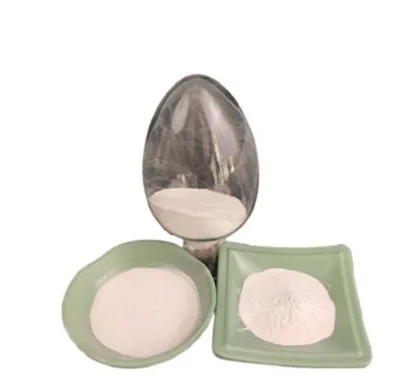
The current market offers a diverse array of barium sulfate products, primarily identified by their physical appearance and chemical purity. Listings frequently describe the material as a white powder with whiteness levels ranging from 85% to 99%, indicating varying degrees of refinement. The observed product models, such as XM-BA45 and XM-PB07, suggest manufacturer-specific grading systems that correlate with particle size and impurity limits. Buyers should note that while many products are labeled for general industrial use in paint, rubber, and plastic, the high purity variants are better suited for sensitive applications requiring minimal contamination.
Packaging and origin are consistent signals of product quality and logistics planning. Most suppliers offer 25kg plastic woven bags, with some providing customized packaging options to suit specific handling needs. The origin is predominantly China, which is a major hub for barite processing. The observed price range is broad, reflecting differences in purity, particle size, and certification status. Procurement specialists must correlate these listing signals with their technical requirements, ensuring that the visual and descriptive attributes of the product match the stringent demands of radiation shielding applications.
Technical Specifications to Verify
Particle size distribution is a critical technical parameter that influences the homogeneity and density of the final shielding material. The observed data highlights D50 particle sizes ranging from 1.25 to 8.5 microns, with some products specifying a maximum particle size of up to 13 microns. Finer particles generally ensure a smoother finish and better dispersion in composite materials, which is vital for uniform radiation attenuation. Buyers must verify the D97 values, which indicate the upper limit of the particle size distribution, to prevent coarse aggregates that could compromise the structural integrity of the shielding barrier.
Chemical purity and physical properties are equally important for ensuring long-term performance and safety. Key metrics include barium sulfate content, which can range from 90% to 99.5%, and specific gravity, typically between 4.2 and 4.4 g/cm³. High whiteness, often exceeding 90%, is a proxy for low impurity levels. Additionally, moisture content should be kept below 0.30%, and volatile matter at 105°C should not exceed 0.20%. Buyers should request detailed test reports to confirm that heavy metal content is negligible, as even trace amounts can affect the material's safety profile in medical or sensitive industrial settings.
Compliance and Safety Documentation
Regulatory compliance is non-negotiable when sourcing materials for radiation shielding, particularly in healthcare and industrial inspection sectors. Suppliers should provide valid ISO certifications, which indicate adherence to international quality management standards. Some listings also mention RoHS compliance, which is crucial for ensuring the material does not contain restricted hazardous substances. Buyers must verify that these certifications are current and issued by accredited bodies, as they serve as the primary evidence of the supplier’s commitment to quality and safety protocols.
Safety data sheets (SDS) and material safety declarations are essential for handling and storage procedures. Although barite is generally considered non-toxic, proper documentation ensures that workers are aware of potential dust inhalation risks and appropriate personal protective equipment requirements. The observed data notes a pH value between 7 and 9, indicating a neutral to slightly alkaline nature, which is favorable for compatibility with various binders and resins. Procurement teams should ensure that all documentation is readily available and translated into the local language to facilitate smooth customs clearance and workplace safety audits.
Cost Drivers and Commercial Terms
The cost of barite for shielding applications is influenced by purity levels, particle size refinement, and packaging customization. Higher purity grades, such as those with 99% barium sulfate content, command premium prices compared to standard industrial grades. The observed price range is extensive, reflecting the variability in these factors. Buyers should analyze the total cost of ownership, including logistics and handling, rather than focusing solely on the unit price. Customized packaging or specific particle size distributions may incur additional charges but can reduce waste and improve application efficiency.
Commercial terms such as minimum order quantity (MOQ) and payment conditions vary significantly among suppliers. The observed MOQ ranges from 1 to 5000 units, offering flexibility for both small-scale projects and large industrial contracts. Buyers should negotiate terms that align with their inventory management strategies and cash flow requirements. It is also important to clarify whether the quoted price includes transportation, insurance, and customs duties. Clear communication regarding these commercial terms helps avoid unexpected costs and ensures a transparent procurement process.
Supplier Qualification and Quality Control
Evaluating supplier capability is essential to ensure consistent supply of high-quality barite. Buyers should assess the supplier’s production capacity, quality control processes, and track record in the industry. Suppliers with ISO certification are generally more reliable, as they have established procedures for maintaining product consistency. It is advisable to request samples for independent testing before placing large orders. The observed data indicates that some suppliers offer free samples, which can be a valuable tool for verifying product specifications and performance.
Quality control should extend beyond initial sampling to include ongoing monitoring of batch-to-batch consistency. Buyers should inquire about the supplier’s testing protocols for key parameters such as whiteness, particle size, and impurity levels. Establishing a clear communication channel for addressing quality issues is crucial. Suppliers who provide detailed technical support and are willing to collaborate on custom specifications are often better partners for long-term procurement. Regular audits and performance reviews can help maintain high standards and mitigate supply chain risks.
Long-Term Procurement Checks
Sustaining a reliable supply chain for barite requires periodic review of supplier performance and market conditions. Buyers should monitor changes in supplier certifications, production capabilities, and pricing trends. Regular communication with suppliers can help anticipate potential disruptions and ensure that product specifications remain aligned with evolving project requirements. The observed market data suggests a dynamic landscape with various product models and specifications, necessitating flexibility in procurement strategies.
Long-term contracts should include clauses for quality assurance, delivery timelines, and dispute resolution. Buyers should also consider diversifying their supplier base to mitigate risks associated with single-source dependencies. Staying informed about industry standards and regulatory changes is crucial for ensuring continued compliance. By maintaining a proactive approach to supplier management and quality control, procurement teams can secure a stable supply of high-quality barite for radiation shielding applications, supporting safety and operational excellence.
FAQs
What is the typical purity of x ray shielding barite?
The typical purity ranges from 90% to 99% depending on the specific grade. Industrial grade products often list Baso4 content between 90% and 96%, while higher grades can reach 99.5%. Buyers should verify the exact percentage required for their shielding application before ordering.
How is x ray shielding barite packaged for shipment?
Standard packaging is 25kg per bag, typically using plastic woven bags. Some suppliers offer customized packaging options to meet specific logistical needs. The material is supplied as a white powder, ensuring it remains clean and ready for integration into various industrial formulations and shielding composites.
Can x ray shielding barite be customized for specific needs?
Yes, customization is available for many industrial barium sulfate products. Manufacturers can adjust particle sizes, such as D50 values ranging from 1.25 to 8.5 microns, to suit different application requirements. Buyers should specify their exact technical needs to ensure the product meets their shielding or processing standards.
What certifications are common for x ray shielding barite?
Common certifications include ISO and RoHS compliance, ensuring quality and safety standards are met. These certifications verify that the barium sulfate meets industrial grade requirements for heavy metal content and other safety parameters. Buyers should request valid certificates to confirm the product's suitability for regulated industries.
What is the pH value of x ray shielding barite?
The pH value typically ranges from 7 to 9, indicating a neutral to slightly alkaline nature. This stability makes it suitable for various applications, including paints, rubber, and plastics. The consistent pH ensures compatibility with other materials without causing adverse chemical reactions during processing or final use.
Where is x ray shielding barite primarily sourced from?
The primary sourcing location is China, where many industrial grade barium sulfate products are manufactured. Suppliers in this region offer competitive pricing and a wide range of specifications. Buyers can access various models and grades, ensuring they find the right balance of cost and performance for their shielding projects.